From Cellar to Doorstep: What Really Happens to Your Wine in Transit
Photo: davitydave, CC BY 2.0, via Wikimedia Commons
There is a particular kind of disappointment that wine enthusiasts know well. You visit a winery — perhaps in Sonoma, the Willamette Valley, or the rolling hills of Virginia — and you taste something extraordinary. You purchase a case to ship home, eager to recreate that experience at your dinner table. Weeks later, the bottles arrive. You open one that evening, pour it with anticipation, and something is unmistakably off. The wine is flatter, rougher, or simply less alive than the version you tasted at the source.
This is not your imagination. It is physics, chemistry, and logistics working against you in ways that are both predictable and, to a meaningful degree, preventable.
The Science of Wine Under Stress
Wine is a living liquid. Even after fermentation is complete and the bottle is sealed, microscopic chemical reactions continue to unfold inside the glass. These reactions are exquisitely sensitive to environmental conditions — particularly temperature.
When a shipment travels from a winery in Napa Valley to a home in Minneapolis in July, it may pass through a warehouse sitting at 95°F, spend hours in the back of a delivery truck that reaches 120°F, and then cool rapidly overnight on a covered porch. Each of these temperature swings causes the wine inside the bottle to expand and contract. Over time, this thermal cycling can push small amounts of liquid past the cork or accelerate oxidation, fundamentally altering the wine's flavor profile.
The effect is not always dramatic. A single exposure to brief heat may simply dull a wine's aromatic complexity or flatten its finish. Repeated or prolonged heat exposure, however, can produce what sommeliers refer to as a "cooked" quality — a stewed, jammy character that obscures the wine's original brightness and structure. White wines and sparkling wines are particularly vulnerable, though no style is entirely immune.
Vibration presents a subtler but equally real concern. The constant motion of a truck or aircraft creates micro-agitation within the bottle, temporarily disturbing the wine's sediment and disrupting the slow chemical equilibria that develop during aging. Collectors who have transported older, complex bottles are familiar with the phenomenon: a wine that showed beautifully before shipping can taste closed, tannic, or disjointed for days or even weeks after arrival. This is sometimes called "bottle shock" or "travel shock," and it is a well-documented reality among wine professionals.
Altitude changes introduce yet another variable. As air pressure drops at higher elevations — whether in an aircraft cargo hold or a mountain delivery route — the pressure differential can affect the seal between cork and bottle, creating the conditions for accelerated oxidation. While the effect is generally minor for short journeys, it compounds the cumulative stress a bottle endures over a long-haul shipment.
How Responsible Shippers Are Addressing the Problem
The direct-to-consumer wine industry has grown substantially over the past decade, and with it, awareness of these logistical challenges has sharpened considerably. The most conscientious producers and e-commerce platforms have invested in solutions that treat shipping not as an afterthought but as an extension of the winemaking process itself.
Insulated packaging has become standard among premium shippers. Expanded polystyrene liners and reflective foil barriers can keep interior temperatures stable for 24 to 48 hours even in summer conditions — though no passive insulation is indefinite. Some direct-to-consumer brands have moved toward temperature-controlled logistics networks, routing shipments through refrigerated warehouses and partnering with carriers that maintain climate-controlled vehicles for the final mile.
Seasonal shipping windows are another practical safeguard. Many reputable wine clubs and direct-to-consumer retailers in the United States will pause or restrict shipments to warmer climates during the summer months, or will offer expedited shipping as the default option when ambient temperatures rise. If a retailer you are purchasing from does not mention these practices, it is worth asking directly before completing your order.
At Bebo Vino, every shipment is evaluated against current weather conditions along the delivery route. Insulated packaging is used as standard, and temperature holds are applied to orders destined for regions experiencing extreme heat. These are not marketing claims — they are baseline expectations for wine that arrives in the condition it was intended to be enjoyed.
Assessing a Bottle Upon Arrival
Regardless of how carefully a shipment is handled, it is good practice to inspect your wine before opening it. Several physical indicators can suggest that a bottle has been compromised during transit.
First, examine the cork or capsule. If wine has seeped past the cork and stained the foil, the bottle has almost certainly experienced significant heat expansion. A cork that protrudes slightly above the lip of the bottle — rather than sitting flush — is another warning sign. For bottles with screwcaps, check for any evidence of leakage around the seal.
Next, observe the wine's color when you pour it. White wines that appear unusually deep amber or brown, and red wines that show a brick-like oxidized hue at the rim before their time, may have been heat-damaged. Finally, trust your nose: a wine that smells flat, vinegary, or of stewed fruit before you have even taken a sip has likely been affected.
If you purchase wine through a reputable retailer, most have clear policies for addressing bottles that arrive in poor condition. Document the issue with photographs and contact customer service promptly — ideally on the day of delivery.
Giving Newly Arrived Bottles Time to Recover
For bottles that arrive intact but have experienced the stress of shipping, patience is one of the most effective remedies available. Most wine professionals recommend allowing newly delivered bottles to rest in a stable, cool environment for a minimum of 48 hours before opening. For older vintages or bottles that have traveled long distances, a rest period of one to two weeks is more appropriate.
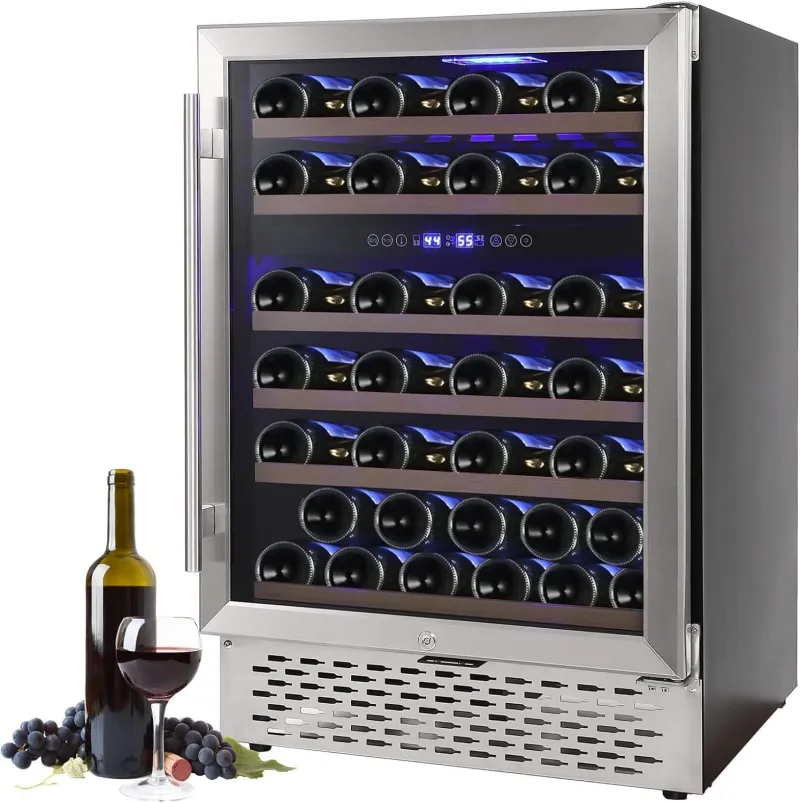
The ideal resting environment is dark, vibration-free, and maintained at a consistent temperature between 55°F and 65°F. A dedicated wine refrigerator is ideal, though a cool interior closet away from appliances and direct sunlight will serve the purpose for most bottles. Laying bottles on their sides keeps the cork moist and maintains the seal.
This recovery period allows the wine's internal chemistry to restabilize. Dissolved gases redistribute, tannins reintegrate, and aromatic compounds reassert themselves. The wine will not always return to exactly the state it was in at the winery — some losses are permanent — but in many cases, the difference between a bottle opened immediately after shipping and one allowed to rest is genuinely significant.
Understanding the journey your wine takes before it reaches your glass is part of becoming a more informed and discerning consumer. The winery experience you remember is worth protecting — and with the right knowledge, you can give every bottle the best possible chance of delivering it.