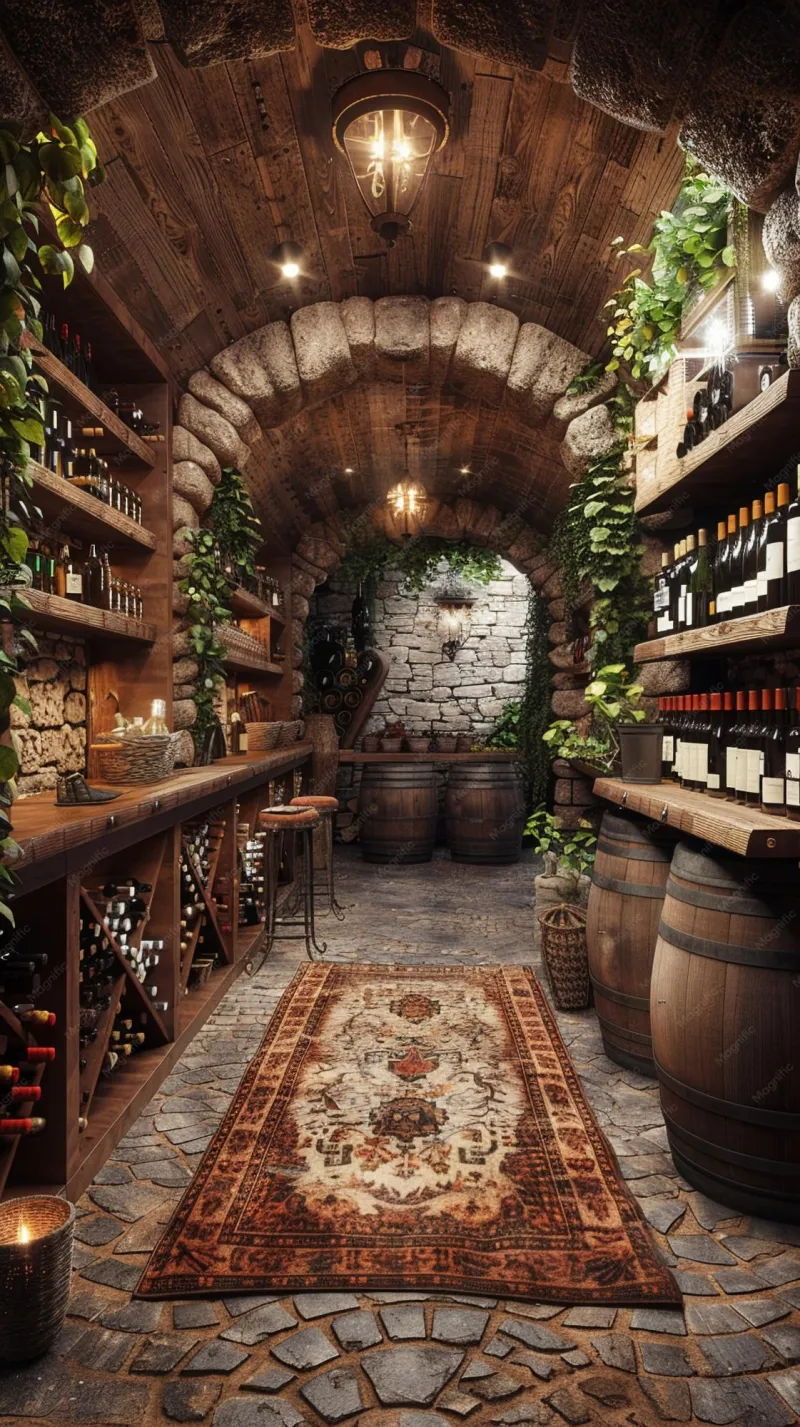
The Hidden Enemy of Every Great Bottle: What Temperature Does to Your Wine Over Time
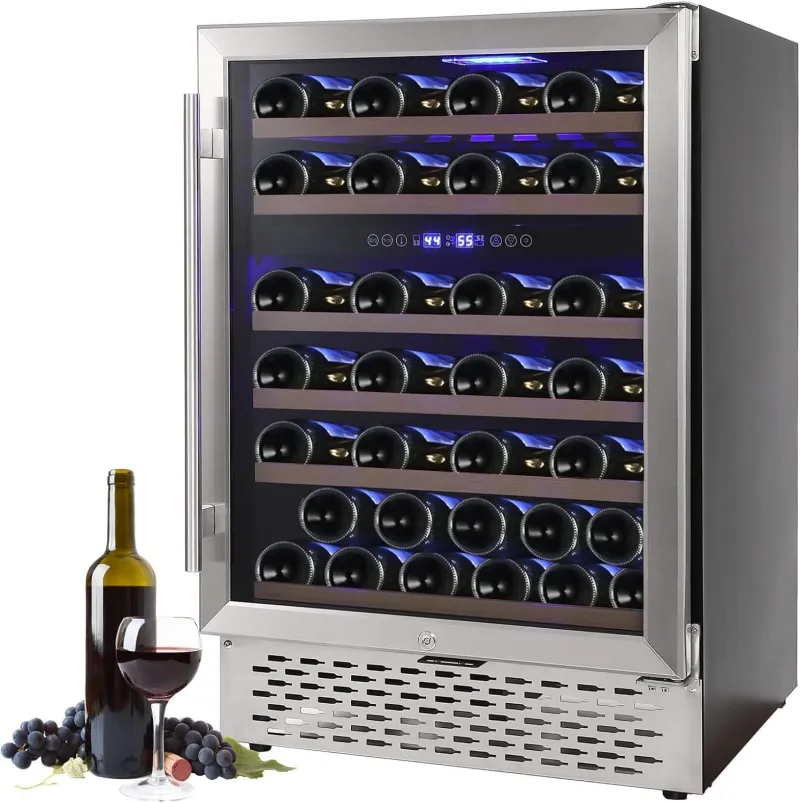
Photo: wine refrigerator temperature control storage cellar bottles, via i5.walmartimages.com
There is a particular kind of heartbreak that wine collectors rarely discuss openly: opening a bottle you have anticipated for years, only to find it flat, oxidized, or strangely cooked. The wine was not flawed when it left the winery. It was not mishandled in transit. It was damaged slowly, silently, in your own home — most likely by temperature.
For all the attention paid to vintage charts, producer reputations, and cellar-worthy scores, temperature management remains the single most underappreciated variable in home wine storage. Sommeliers understand this implicitly. The rest of us tend to learn it the hard way.
What Heat Actually Does to Wine at a Molecular Level
Wine is not a static liquid. It is a chemically active system in which hundreds of compounds — esters, tannins, acids, phenols — are continuously interacting and evolving. Temperature governs the speed of those reactions.
When wine is stored above 70°F for extended periods, the heat accelerates chemical reactions that would otherwise unfold gradually over years. Esters, which contribute fruity and floral aromas, break down prematurely. Tannins polymerize more quickly, causing red wines to lose structure before their fruit has had time to integrate. Sulfites, which act as a preservative, deplete faster, leaving the wine more vulnerable to oxidation.
The result is wine that tastes "cooked" or "baked" — a muted, jammy quality with a strangely flat finish. Professionals sometimes call it "heat damage," and unlike many wine faults, it is irreversible.
Perhaps more insidious than sustained heat, however, is temperature fluctuation. A wine stored at a consistent 75°F will age poorly but predictably. A wine that swings between 55°F and 80°F repeatedly — as it might in a kitchen cabinet near an oven, or in a garage that heats up each summer afternoon — experiences something more destructive. As wine warms, it expands. As it cools, it contracts. This physical pressure cycles through the cork, gradually compromising the seal and inviting micro-oxidation. Even screw-cap wines are not entirely immune, as the cap's lining can be stressed by repeated expansion and contraction.
Why the Kitchen Cabinet Is the Worst Place in Your Home
Americans store wine in kitchen cabinets at a surprisingly high rate. It is convenient, accessible, and feels intuitive — wine belongs near food, near the dinner table, near daily life. But the kitchen is almost certainly the most hostile environment in a typical home for wine storage.
Temperature near a stove or oven fluctuates dramatically during cooking. Refrigerators cycle warm air into the surrounding space. Cabinets above the refrigerator, a particularly common wine storage spot, can reach temperatures well above 80°F during summer months. Even a well-climate-controlled kitchen will experience more thermal variation than a dedicated storage space.
The same logic applies to countertop display racks, sunny windowsills, and the top shelves of closets near exterior walls. These locations may look attractive, but they prioritize aesthetics over the basic science of preservation.
The Case for a Dedicated Wine Refrigerator
A quality wine refrigerator in the $150 to $300 range represents one of the most impactful investments a home collector can make — arguably more valuable, bottle for bottle, than upgrading to more expensive wines in the first place.
Unlike a standard kitchen refrigerator, which maintains temperatures between 35°F and 38°F (far too cold for long-term wine storage, as it inhibits proper aging and can dry out corks), a wine fridge is designed to hold a steady 55°F — the widely accepted ideal for aging most wines. This temperature slows chemical reactions to a pace that allows complex flavors to develop without degrading. It also maintains higher humidity levels than a standard refrigerator, which helps keep corks supple and intact.
For apartment dwellers or those without a dedicated basement or utility room, a freestanding wine cooler placed in an interior room away from windows and heat sources offers a genuinely cellar-like environment at a fraction of the cost of actual construction.
Those with larger collections — or ambitions to build one — should consider dual-zone wine refrigerators, which maintain separate temperature compartments for red and white wines simultaneously. Reds generally benefit from storage between 55°F and 65°F, while whites and sparkling wines are best held between 45°F and 55°F.
Practical Solutions for Every Living Situation
For apartment dwellers with limited space: A countertop or under-counter wine cooler holding 12 to 18 bottles is a practical and affordable starting point. Position it on an interior wall, away from radiators, appliances, and direct sunlight. Even in a studio apartment, a small unit tucked under a kitchen island or in a hallway closet provides meaningfully better conditions than open storage.
For homeowners with a basement: An unfinished basement is often naturally temperature-stable, hovering between 55°F and 65°F year-round in much of the continental United States. If your basement meets this criterion and maintains moderate humidity, simple freestanding wine racks can serve as an effective low-cost cellar. Monitor temperature seasonally, as basements in the South and Southwest may warm significantly in summer.
For serious collectors: A dedicated wine refrigeration unit or a professionally installed cellar cooling system is worth the investment once a collection exceeds 100 to 150 bottles. These systems maintain precise temperature and humidity with far greater consistency than consumer-grade appliances, and they are designed to run continuously without the compressor vibration that can disturb sediment in older bottles.
For everyone: A simple digital thermometer placed in your current storage area is the most underutilized tool in home wine management. Spend two weeks monitoring the actual temperature range in your storage space before deciding whether to invest in additional solutions. The data may surprise you.
A Note on Vibration and Light
While temperature is the dominant factor in wine preservation, two secondary variables deserve mention. Ultraviolet light degrades wine through a process called light strike, which is why most quality wine is bottled in tinted glass. Storage areas with significant natural light exposure — even indirect sunlight — can accelerate this process. Wine stored in direct sunlight for extended periods may develop off-flavors that sommeliers describe as "light struck" or resembling wet cardboard.
Vibration is a more contested topic, though the prevailing view among storage professionals is that sustained, low-frequency vibration — from appliances, subwoofers, or proximity to a washer and dryer — can disturb sediment and potentially disrupt the slow chemical processes that allow wine to age gracefully. It is worth keeping older, sediment-prone bottles well away from mechanical vibration sources.
The Bottles You Already Own Are Worth Protecting
Every bottle in your collection represents not just a financial investment but a commitment to a future experience — a dinner, a celebration, a quiet evening when the right wine makes the moment. Temperature control is the simplest, most scientifically grounded way to ensure that experience is everything it should be.
At Bebo Vino, we believe that curating exceptional wine is only half the equation. Knowing how to protect it once it arrives at your door is what separates a great collection from a series of missed opportunities.