Packed with Care or Packed with Risk: What Separates a Perfect Delivery from a Ruined Bottle
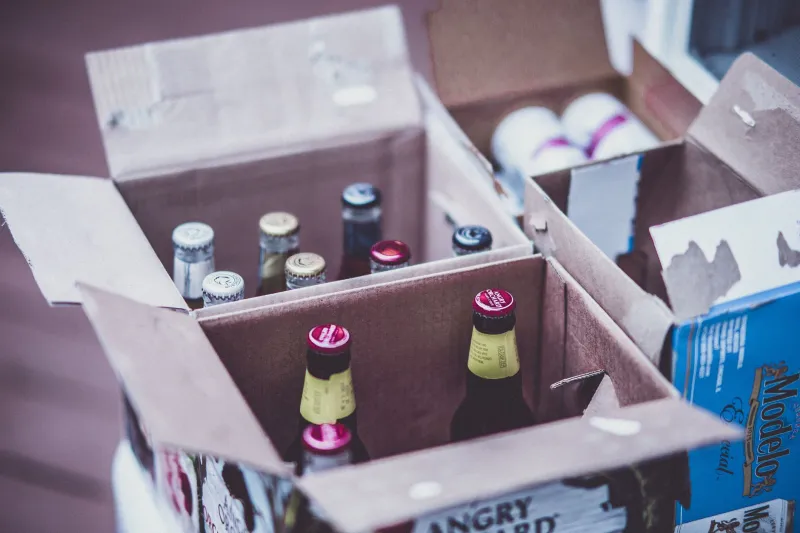
You've done everything right. You researched the producer, read the tasting notes, selected a bottle that genuinely excites you, and waited patiently through the shipping window. Then the box arrives. The wine is warm to the touch. The cork has pushed slightly from the neck. The color, once you pour, looks faintly browned at the edges. Somewhere between the warehouse and your front door, something went wrong — and the retailer you trusted had more to do with it than the weather.
Wine is a living product. It responds to heat, vibration, light, and movement in ways that can permanently alter its character. Yet a surprising number of online wine retailers treat it like a commodity that needs only basic protection from breakage. Understanding what responsible shipping actually looks like — and what shortcuts look like — is one of the most practical forms of wine education available to the modern buyer.
The Anatomy of a Well-Packed Wine Shipment
At its most fundamental level, a wine shipment requires three things: structural protection against impact, thermal insulation against temperature extremes, and humidity management to prevent premature drying of natural corks. Responsible retailers address all three. Retailers cutting costs often address only the first.
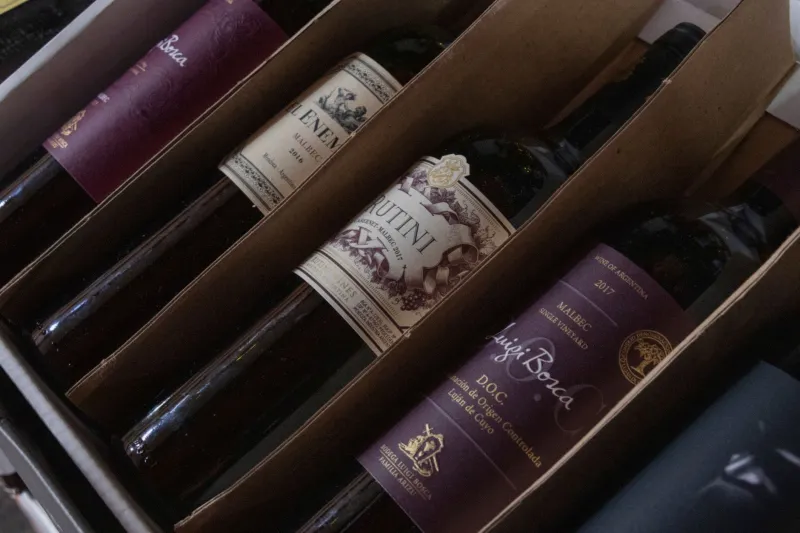
Structural protection typically comes in the form of molded pulp inserts, expanded polystyrene (EPS) foam dividers, or corrugated cardboard wine shippers with individual bottle cells. The best configurations suspend each bottle independently so that no single point of impact can transfer force to another bottle or to the neck — the most vulnerable part of the vessel.
Thermal insulation is where the meaningful divergence begins. Standard cardboard offers almost no protection against ambient temperature. A shipment sitting in a hot delivery vehicle or on a sun-exposed porch can reach internal temperatures well above 80°F — the threshold above which wine begins to suffer measurable chemical degradation. Retailers who take thermal protection seriously use EPS foam liners, reflective foil barriers, or phase-change gel packs designed to absorb heat energy and maintain a stable internal environment for 24 to 48 hours.
The distinction matters because most wine shipments in the United States travel through carrier networks — UPS, FedEx, or regional last-mile services — that are not temperature-controlled. The wine retailer cannot control the truck, but it can control the packaging that surrounds the bottle inside that truck.
Why Carrier Choice Is Only Half the Story
Many consumers assume that selecting expedited shipping — two-day or overnight — eliminates temperature risk. This is a reasonable assumption, but it is not entirely accurate. Transit time matters, but so does the timing of the shipment itself.
A responsible retailer will hold orders during extreme heat events rather than release them into a system where they may sit on a loading dock in Phoenix in July or inside a delivery vehicle idling in Houston in August. This practice, known informally as a shipping hold, is one of the clearest indicators of a retailer's genuine commitment to product integrity. Retailers who ship regardless of weather conditions — particularly those who process orders automatically without human review — are prioritizing logistics throughput over the quality of what arrives at your door.
Some premium retailers go further by offering refrigerated or temperature-controlled shipping lanes for an additional fee. These services, while not universally available across all destinations, route packages through climate-managed facilities and vehicles. For valuable bottles or shipments traveling to consistently warm climates, this option is worth serious consideration.
The Insurance Question Most Buyers Overlook
When a bottle arrives damaged or compromised, the question of who bears the cost reveals a great deal about a retailer's philosophy. Carriers such as UPS and FedEx have specific policies regarding wine shipments, and standard declared-value coverage does not automatically apply to temperature damage — a distinction buried in the fine print that many customers discover only after a disappointment.
Retailers who stand behind their shipments typically offer one of two protections: in-house satisfaction guarantees that cover replacement or credit regardless of the cause of damage, or third-party shipping insurance that explicitly covers wine. These policies exist because credible retailers understand that the moment a bottle leaves their warehouse, their responsibility to the customer does not end.
Before placing a significant order with any online retailer, it is worth reviewing their stated shipping policy in detail. Phrases such as "not responsible for temperature damage once the package leaves our facility" are a meaningful signal. Conversely, unconditional satisfaction guarantees — particularly from retailers who ask no questions and issue replacements promptly — reflect a confidence in their own logistics infrastructure.
Seasonal Timing and the Smart Buyer's Calendar
Experienced wine buyers in the United States have long recognized that the spring and fall represent the optimal shipping windows. Temperatures in most of the country during these periods are moderate enough that even standard packaging provides adequate protection for two- to five-day transit times.
Summer presents the greatest risk, particularly for shipments traveling to the South, the Southwest, and urban areas where paved surfaces amplify ambient heat. Winter poses its own challenges for delicate wines, as freezing temperatures can cause expansion that pushes corks or, in extreme cases, cracks bottles. The safest approach during seasonal extremes is either to select retailers who offer temperature-controlled shipping or to delay orders until conditions improve.
At Bebo Vino, shipments are reviewed against current and forecast weather conditions for both origin and destination before release. Orders flagged for elevated temperature risk are held and customers are notified — because a bottle worth selecting is a bottle worth protecting.
Reading the Signs When You Receive Your Order
Even when every precaution has been taken, it is worth inspecting your delivery before storing or opening any bottle. A few indicators of potential compromise include:
- Warmth upon arrival. The exterior of the box should not feel noticeably warm. If it does, allow the wine to rest at cellar temperature for at least 48 hours before opening, and evaluate carefully.
- Seepage around the capsule. A small amount of wine leaking past the cork suggests the bottle experienced enough heat to expand its contents. This does not always indicate irreparable damage, but it warrants attention.
- A protruding cork. Natural corks that have pushed slightly out of the neck are a reliable sign of heat exposure. The wine may still be drinkable, but its aging trajectory has likely been altered.
- Unusual color at the rim. A premature browning or orange tinge in a young red wine, or a deep golden color in a young white, can indicate oxidation accelerated by heat.
If any of these signs are present, document them with photographs before contacting the retailer. A retailer with a genuine commitment to quality will take this seriously.
The Standard You Should Expect
Wine enthusiasts in the United States have more options for online purchasing than at any previous point in history. That abundance makes it easy to overlook logistics as a differentiating factor — but it is, in practice, one of the most consequential. The bottle in the photograph may be identical across a dozen retailers. What differs is whether it arrives in the same condition it left the producer's cellar.
The retailers who earn long-term loyalty are those who treat every shipment as a small act of stewardship — because that, ultimately, is what delivering wine responsibly requires.