Same Label, Different Wine: How Time and Vintage Variation Can Betray Your Next Purchase
The Illusion of Consistency
There is a reasonable assumption most wine buyers carry with them: if a label worked before, it will work again. The name is the same. The producer is the same. The price is close enough. What could possibly have changed?
Quite a lot, as it turns out.
Wine is not a manufactured product engineered for uniformity. It is an agricultural one, shaped by weather patterns, harvesting decisions, cellar choices, and the slow chemistry of time inside a sealed bottle. Two vintages of the same wine from the same producer can behave like entirely different animals — one generous and approachable, the other austere and demanding. And even within a single vintage, a bottle purchased today may drink very differently from one purchased in six months, depending on where it sits in its natural arc of development.
For anyone ordering wine online — without the ability to taste before buying — understanding these variables is not optional. It is fundamental.
What Vintage Actually Means for Your Glass
The vintage year printed on a label is not simply a date. It is a compressed account of an entire growing season: the rainfall in spring, the heat in summer, the timing of harvest, the health of the fruit at the moment it was picked. In regions prone to climatic variability — Burgundy, the Willamette Valley in Oregon, Germany's Mosel, much of Bordeaux — the difference between a celebrated year and a difficult one can be dramatic.
A warm, dry vintage in a cool-climate region often produces wines with more ripeness, softer tannins, and earlier drinkability. A cool, wet year may yield wines that are leaner and more acidic — wines that reward patience but punish premature opening. Neither outcome is inherently worse, but each demands a different approach from the buyer.
For American wine drinkers accustomed to California's relative consistency, this concept can feel abstract. But even in Napa Valley, vintages like 2011 and 2017 tell starkly different stories in the glass. The former, marked by a cold, rain-interrupted harvest, produced wines of unusual restraint. The latter, shaped by extreme heat and a shortened growing window, yielded bottles of concentrated intensity. Both carry the same producer names. Both look identical on a retailer's shelf. They are not the same wine.
The Age Equation: Where Bottles Are in Their Journey
Beyond vintage character, there is the matter of bottle age — and this is where even well-researched buyers can be caught off guard.
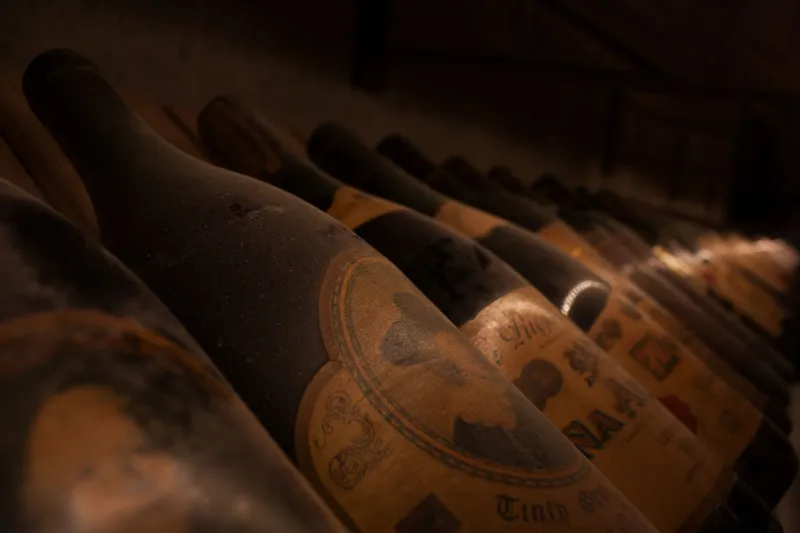
Most wines sold in the United States are intended for relatively near-term consumption. The majority of bottles on the market, including many priced above $30, are built to be enjoyed within three to five years of release. But within that window, a wine does not remain static. It moves through phases: an initial openness after release, a period of relative closure as it integrates, and eventually a more evolved, secondary-character stage as fruit gives way to earthiness, spice, and complexity.
Ordering a wine that is currently in a closed, awkward phase — often called a "dumb phase" by wine professionals — can produce a genuinely confusing experience. The wine is not flawed. It is simply not ready to perform. Conversely, a wine ordered at the peak of its drinking window today may have passed that peak by the time a reorder arrives three months later.
This is not a reason to approach wine with anxiety. It is a reason to approach it with a small amount of informed curiosity.
How to Research Vintage Reports Before You Order
The practical solution is straightforward, and the resources are more accessible than many buyers realize.
Vintage charts — numerical or descriptive assessments of growing seasons by region — are published annually by major wine publications and critics. Wine Spectator, Vinous, and Wine Advocate all maintain searchable vintage databases. For a quick reference, the Wine & Spirits Education Trust (WSET) and various importer websites publish region-specific summaries that are readable without specialized knowledge.
When evaluating a purchase, three questions are worth asking:
First, what does the vintage report say about this specific region and year? A highly rated vintage for Napa Cabernet may be entirely irrelevant if you are purchasing a Côtes du Rhône. Regional specificity matters.
Second, what is the recommended drinking window for this producer and wine style? Many importers and retailers publish this information directly on product pages. If a wine is listed as drinking well from 2020 to 2026, and you are ordering in late 2025, you are working with a narrowing margin.
Third, what is the storage history of this bottle? This is the variable least visible to the online buyer, and the most consequential. Wine that has been warehoused in temperature-controlled conditions from the moment it left the producer is fundamentally different from wine that has spent time in an un-air-conditioned distribution warehouse during a Texas summer. Reputable online retailers and curated delivery services should be transparent about their storage and fulfillment standards — and it is reasonable to ask.
The Reorder Problem
One of the more common disappointments in online wine buying occurs not with first purchases but with reorders. A bottle impresses at dinner. The buyer, reasonably delighted, orders another case. When those bottles arrive and are opened over the following months, something feels off. The wine seems harder, or flatter, or simply less vibrant than the original.
This experience has several possible explanations. The reorder may be from a different vintage. The original bottle may have been opened at an unusually favorable moment in its development. Or the new shipment may have experienced greater thermal stress in transit during warmer months.
The takeaway is not that reordering is unwise. It is that a single transcendent experience with a bottle should prompt research before replication. Check whether the vintage has changed. Check current critic notes on the wine's present state. If the wine is from a small producer with limited allocation, consider whether the current release was made in a comparable year.
Building a More Reliable Purchasing Strategy
For buyers who want to reduce uncertainty without abandoning the pleasure of discovery, a few practices make a meaningful difference.
Diversify across vintages when buying multiples of the same wine. If you love a particular Sonoma Pinot Noir and plan to purchase six bottles, consider splitting between two consecutive vintages rather than committing entirely to one. This builds in natural variation and extends the period over which at least some bottles will be drinking well.
Keep a simple record of what you open and when. Notes need not be elaborate — a date, a brief impression, and whether the wine felt young, peak, or fading is sufficient. Over time, this record becomes a genuinely useful map of how specific wines and producers evolve.
Finally, lean on curated sources that do this analytical work on your behalf. A well-edited wine delivery service does not simply stock bottles — it selects them with drinking timeline in mind, surfaces vintage context, and adjusts its offerings as conditions change. That layer of expertise, applied before a bottle ever reaches your door, is precisely what transforms an online purchase from a gamble into a considered choice.
The label has not changed. But the wine inside it has its own timeline, and learning to read that timeline is one of the most rewarding skills any enthusiast can develop.