Drink Like a Professional: The Sensory Discipline Behind Expert Wine Evaluation
There is a particular moment that nearly every wine enthusiast recognizes: you lift a glass, take a sip, and think, this is good — or perhaps, this is not quite right — without being able to articulate precisely why. That gap between perception and language is exactly where casual drinking ends and genuine tasting begins.
Professional sommeliers do not possess a superhuman sense of smell or some hereditary gift for discernment. What they possess is a learned, repeatable process — a sensory discipline that converts vague impressions into specific, communicable observations. The encouraging truth is that this process is entirely teachable, and you can begin practicing it today.
Why Most People Taste Wine Backwards
The most common mistake untrained tasters make is reaching for flavor language before they have completed a proper visual and aromatic assessment. Flavor — what you perceive on the palate — is actually the final stage of professional evaluation, not the first. When you skip directly to drinking, you are effectively reading the last chapter of a book before the opening pages.
Sommeliers follow a structured sequence: appearance, nose, palate, and conclusion. Each stage builds on the last, and each delivers information that the subsequent stage alone cannot provide. Rushing through the process collapses this architecture entirely.
Stage One: What the Glass Tells You Before You Drink
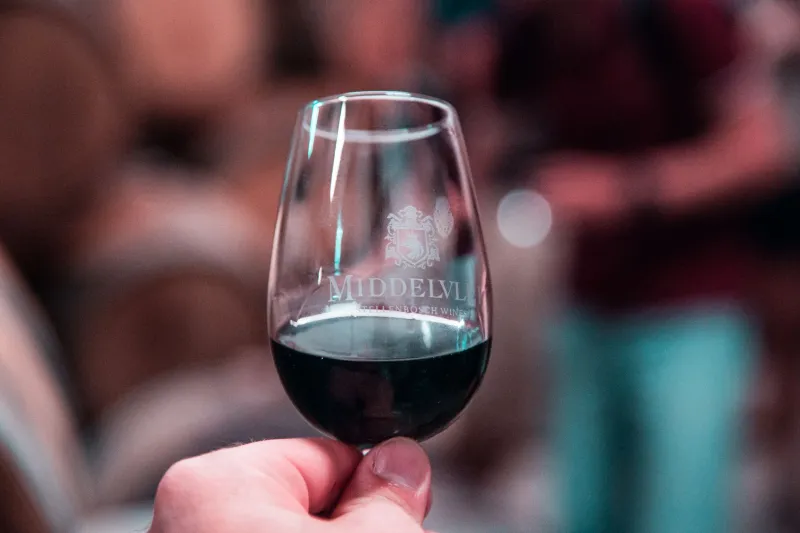
Hold your glass against a white background — a napkin, a sheet of paper, or even a white wall — and look carefully. Color depth, clarity, and viscosity all communicate meaningful data.
A deep, inky red suggests a grape variety with high pigmentation, such as Malbec or Petite Sirah. A pale, almost translucent ruby points toward Pinot Noir or Grenache. In white wines, a deep golden hue often indicates either extended oak aging or a wine from a warmer climate. Greenish tints in a white wine frequently signal youth and high acidity.
The legs — those slow rivulets that form on the inside of the glass after you swirl — offer a rough indication of alcohol content and residual sugar. Thicker, slower legs suggest higher levels of one or both. This is not a definitive measurement, but it is useful context.
Exercise: Before your next pour, spend sixty seconds on visual assessment alone. Write down three observations. You will be surprised how much you notice once you slow down and look.
Stage Two: The Nose Knows More Than Your Palate Does
Human beings can distinguish thousands of distinct aromas, but the average person has never been trained to identify them deliberately. The nose is, in fact, a more sensitive instrument than the palate — and professional tasters spend the majority of their evaluation time here.
Sommeliers divide aromatic assessment into two passes. The first nose is taken before swirling: the glass sits still, and you lower your nose into the bowl and inhale gently. This captures the most volatile aromatic compounds — the delicate top notes that swirling will disperse.
The second nose follows a vigorous swirl, which oxygenates the wine and releases deeper, more complex aromas. This is where you begin to identify primary aromas (fruit, floral, herbal notes derived directly from the grape), secondary aromas (yeast-driven characteristics from fermentation, such as bread or cream), and tertiary aromas (the result of aging, including leather, tobacco, dried fruit, and earthiness).
A useful framework for the nose is to work from broad categories to specific identifiers. Start by asking: is this fruity or savory? Fresh or aged? Light or dense? Then narrow inward. Fruity becomes red fruit, which becomes cherry, which becomes fresh cherry versus dried cherry. That progression is exactly how professionals build a complete aromatic profile.
Exercise: Before your next glass, take the first nose for thirty seconds, write down two words. Swirl, wait ten seconds, take the second nose, and add two more words. Compare the two passes. The difference is often striking.
Stage Three: The Palate as Confirmation
By the time a trained taster brings wine to the palate, they have already formed a working hypothesis about what they are drinking. The palate serves largely as confirmation — and occasionally, as a corrective surprise.
Professional tasting involves taking a slightly larger sip than is socially comfortable, drawing a small amount of air across the wine (a technique called aspirating, which amplifies aromatic perception retronasally), and then holding the wine in the mouth for several seconds before swallowing.
During this time, you are evaluating five structural components:
- Acidity: Does the wine make your mouth water? Does it feel bright and sharp, or flat and soft?
- Tannin: Is there a drying, gripping sensation on the gums and inner cheeks? This is tannin, present primarily in red wines.
- Alcohol: Does the wine produce a warming sensation in the throat and chest? Higher-alcohol wines often feel heavier on the palate.
- Body: Light, medium, or full? Think of the difference between skim milk and whole milk as a reference point.
- Finish: How long do the flavors linger after you swallow? A finish measured in seconds is considered short; one that persists for thirty seconds or more is genuinely impressive.
Exercise: On your next glass of red wine, focus exclusively on tannin. Where do you feel it? How intense is it? Does it soften as the wine sits open? Isolating individual structural components, one at a time, accelerates palate development faster than any other method.
Stage Four: The Conclusion — And Why It Matters
A professional tasting note does not end with flavor description. It ends with a conclusion: an assessment of quality, typicity, potential, and — when appropriate — a reasoned guess about variety, region, and vintage. This is the analytical layer that distinguishes evaluation from enjoyment.
You do not need to identify every wine blind to benefit from this stage. Simply asking yourself why do I like or dislike this wine, and what specifically is causing that reaction? trains the kind of precise, reflective thinking that gradually sharpens your palate.
Writing brief notes — even informal ones in your phone's notes app — creates a reference library that makes each subsequent tasting more informed. Many experienced home tasters are surprised to discover, after six months of consistent note-taking, that their observations have become dramatically more specific and accurate.
The Skill Is the Practice
What separates a sommelier from an enthusiastic amateur is not raw sensory talent. It is the accumulated repetition of deliberate attention. Every glass tasted with intention is a small deposit in a growing account of sensory knowledge.
At Bebo Vino, we believe that the most rewarding bottle is one you understand — not just enjoy. Whether you are exploring a new varietal from our curated selection or revisiting a familiar favorite, bringing a structured approach to your tasting transforms the experience from passive pleasure into active discovery.
The methodology outlined here requires no special equipment, no formal certification, and no particular budget. It requires only the decision to slow down, pay attention, and let the wine tell you what it knows.