Fake Bottles, Real Money: How to Authenticate Any Wine Before You Buy
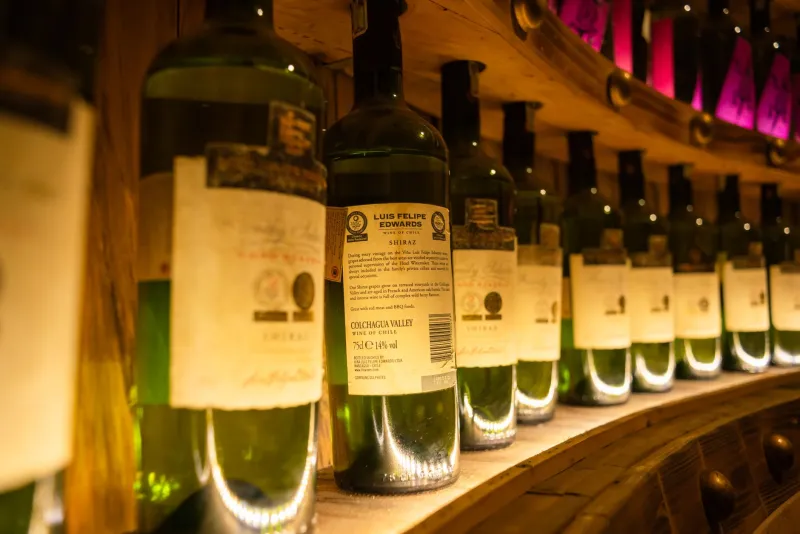
The most expensive wine ever sold at auction was a fraud. The Rudy Kurniawan case — in which a California-based collector was convicted in 2013 of producing and selling millions of dollars' worth of counterfeit wine — remains the most dramatic example of a problem that has never fully disappeared from the American market. What surprises most consumers is that counterfeiting is not confined to six-figure bottles. Increasingly, fraudsters are targeting mid-range wines that move in higher volumes and attract less scrutiny.
For anyone purchasing wine online, through a subscription service, or from an unfamiliar retailer, the ability to authenticate a bottle before committing to a purchase is a genuinely useful skill. The good news is that the indicators of fraud are often visible to an attentive eye — if you know precisely what to look for.
Why the Problem Is Worse Than Most People Realize
The wine industry is unusually vulnerable to counterfeiting for a simple reason: the product is consumed and destroyed upon verification. Unlike a piece of jewelry or a luxury watch, a wine bottle cannot be tested without opening it, and opening it eliminates its value as a collectible. This creates a window of opportunity that bad actors have exploited for decades.
In the United States, the fragmented nature of the three-tier distribution system — producers, distributors, and retailers operating under varying state regulations — makes end-to-end traceability difficult. A bottle can pass through multiple hands before reaching a consumer, and documentation does not always travel with it.
According to industry estimates, counterfeit wine represents a meaningful percentage of the secondary market, though precise figures are difficult to establish precisely because fraud often goes undetected or unreported. What is clear is that the problem has migrated online, where the distance between seller and buyer provides additional cover for deception.
Reading the Label Like a Professional
The label is the first line of authentication, and it rewards careful examination. Several specific details distinguish a genuine bottle from a reproduction.
Typography and printing quality. Legitimate producers use high-grade printing processes that result in sharp, consistent text and imagery. Blurred edges, uneven ink saturation, or fonts that appear slightly off from one bottle to the next are warning signs. Compare the label against images available directly on the producer's official website whenever possible.
Paper stock and texture. Authentic labels are printed on specific paper types that may include embossing, foil elements, or a particular texture. A label that feels thin, glossy where it should be matte, or excessively smooth may have been reproduced on standard printing stock.
Capsule condition and markings. The foil or wax capsule covering the cork should fit snugly and bear any producer markings or stamps consistently. A capsule that appears re-applied, shows adhesive residue around its edges, or lacks markings present on confirmed authentic bottles warrants immediate skepticism.
Back label information. In the United States, federal regulations require specific information on back labels, including the importer's name and address, government health warnings, and sulfite declarations. Missing or incomplete required information is a significant red flag.
Verifying the Producer Directly
One of the most underutilized authentication tools available to consumers is direct contact with the winery or importer. Most legitimate producers maintain records of their authorized US importers and distributors. If a seller cannot provide a clear chain of custody that traces back to a known importer, that absence of documentation is itself informative.
Many established wineries now publish lists of their authorized American retail partners on their websites. Cross-referencing a seller against these lists takes only a few minutes and can prevent a costly mistake. For wines from smaller or boutique producers, a direct email or phone inquiry is often welcomed and answered promptly.
Some producers have also adopted serialized back labels, QR codes, or NFC chips embedded in capsules that link to authenticated product pages. These technologies are becoming more common, particularly among producers who sell significant volumes in the US market and have experienced counterfeiting problems in the past.
Scrutinizing Shipping and Purchase Documentation
For online purchases, the documentation accompanying a transaction tells its own story. Legitimate wine retailers operating in the United States are required to hold appropriate state licenses and comply with direct-to-consumer shipping regulations that vary by state. A seller who cannot produce evidence of proper licensing, or who offers to ship to states where direct wine shipping is prohibited without explanation, is operating outside established legal frameworks.
Invoices and purchase receipts should clearly identify the seller's business name, address, and license number. Vague or incomplete documentation — particularly when combined with pricing that seems implausibly low for a sought-after wine — should prompt additional verification before any payment is made.
Shipping itself introduces additional considerations. Wine shipped in temperature-controlled packaging with appropriate insulation and cold packs, accompanied by tracking documentation, reflects the practices of a seller who handles the product responsibly. Bottles arriving with no climate consideration, excessive movement damage, or packaging that suggests the wine was stored improperly prior to shipping raise questions about the entire supply chain.
How Direct-to-Consumer Sourcing Changes the Equation
The most effective protection against counterfeit wine is a shortened, transparent supply chain. When a bottle travels directly from a producer or an authorized importer to the consumer — without passing through multiple secondary hands — the opportunities for substitution or fraud are dramatically reduced.
This is one of the structural advantages of working with curated, direct-to-consumer platforms that source wines with documented provenance. At Bebo Vino, every bottle in our catalog is sourced through verified importer relationships, and our curation process includes confirmation of authentic producer authorization. The wines we deliver carry the same documentation that a licensed restaurant sommelier would require before placing a bottle on a wine list — because we apply the same standard of scrutiny to every selection.
For consumers who are building a collection or investing in wines intended for long-term cellaring, this kind of supply chain transparency is not a luxury — it is a baseline requirement.
Practical Steps for Any Online Wine Purchase
Regardless of where you purchase wine, the following verification steps are worth incorporating into your buying process:
- Search the producer's official website for their list of authorized US importers and retail partners, and confirm the seller appears on it.
- Compare label images from the seller's listing against high-resolution images available directly from the producer. Look for any typographic or design inconsistencies.
- Request documentation of the importer of record for any bottle over $50. A reputable seller will provide this without hesitation.
- Verify the seller's license with your state's alcohol beverage control authority. Most states maintain publicly searchable databases of licensed retailers.
- Be skeptical of pricing anomalies. A highly allocated wine available at a significant discount from an unfamiliar seller deserves more scrutiny, not less.
- Examine the physical bottle upon arrival before opening. Check the fill level, capsule condition, and label alignment. Authentic bottles from responsible producers arrive in consistent condition.
Wine fraud thrives in environments where buyers prioritize convenience over verification. A few minutes of due diligence — applied consistently — is sufficient to eliminate the vast majority of risk for the average consumer. The bottles worth drinking are worth authenticating.