Every Word on That Label Means Something: A Buyer's Guide to Decoding Wine Bottles
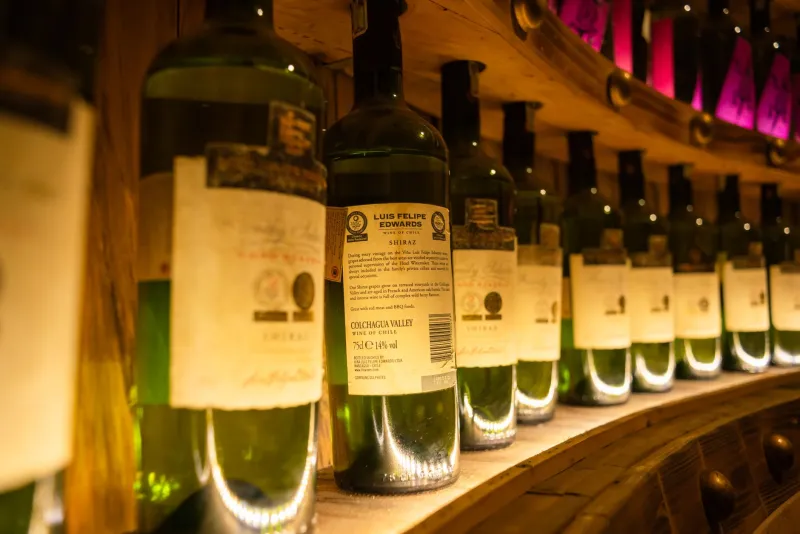
Stand in front of any wine shelf long enough and a familiar frustration sets in. One bottle features a Gothic crest and three languages. Another lists coordinates. A third offers nothing but a minimalist illustration and a name that sounds like a Scandinavian furniture brand. None of them seem to be speaking to you directly—and that is, in many cases, entirely intentional.
Wine labels are not neutral documents. They are marketing instruments layered over legal requirements, and the two do not always occupy the same space on the glass. Understanding how to separate the regulatory from the theatrical is not a skill reserved for certified sommeliers. It is a practical literacy that any buyer can acquire, and it pays dividends every time you reach for a bottle.
The Hierarchy of Information
Before dissecting individual elements, it helps to understand that wine labels typically contain two categories of text: information required by law and information chosen by the producer. In the United States, the Alcohol and Tobacco Tax and Trade Bureau (TTB) mandates specific disclosures on every bottle sold domestically. Everything else—the story of the winemaker's grandmother, the name of the estate dog, the elaborate crest—is optional and serves a different purpose entirely.
Required elements include the producer's name and address, the country of origin, the net contents, the alcohol by volume (ABV), and certain health warnings. Those elements are the skeleton. Everything else is costuming.
Appellation: The Most Important Word You Might Be Overlooking
The appellation—the legally defined geographic origin of the wine—is arguably the single most informative piece of text on any label, and it is frequently the most misunderstood.
In the United States, appellations are governed by American Viticultural Area (AVA) designations. When a label reads "Napa Valley," federal law requires that at least 85 percent of the grapes used in that wine were grown within the Napa Valley AVA. The same threshold applies to other American appellations. This matters because geography shapes flavor: soil composition, elevation, diurnal temperature shifts, and rainfall patterns all leave measurable fingerprints in the glass.
The more specific the appellation, the more the producer is telling you. "California" is a broad designation that permits sourcing from across the state. "Rutherford" narrows the origin to a specific sub-region of Napa Valley associated with a particular quality of Cabernet Sauvignon. "To Kalon Vineyard" narrows it further still, to a single plot with its own distinct character. Specificity is generally a sign of confidence—and often of quality, though not always of value.
European labels operate on similar principles, though the terminology differs. French AOC (Appellation d'Origine Contrôlée) and Italian DOC (Denominazione di Origine Controllata) designations carry comparable legal weight, governing not just geography but sometimes grape varieties, yields, and aging requirements.
Vintage: What the Year Actually Tells You
The vintage year on a label indicates when the grapes were harvested—not when the wine was bottled or when it arrived at your door. This distinction matters for two reasons.
First, weather varies dramatically from year to year, and in regions where climate is variable, the vintage can be the difference between a transcendent wine and a merely adequate one. In Burgundy or Barolo, seasoned buyers consult vintage charts the way investors consult earnings reports. In warmer, more consistent climates—California's Central Coast, for example—vintage variation is less dramatic, though still present.
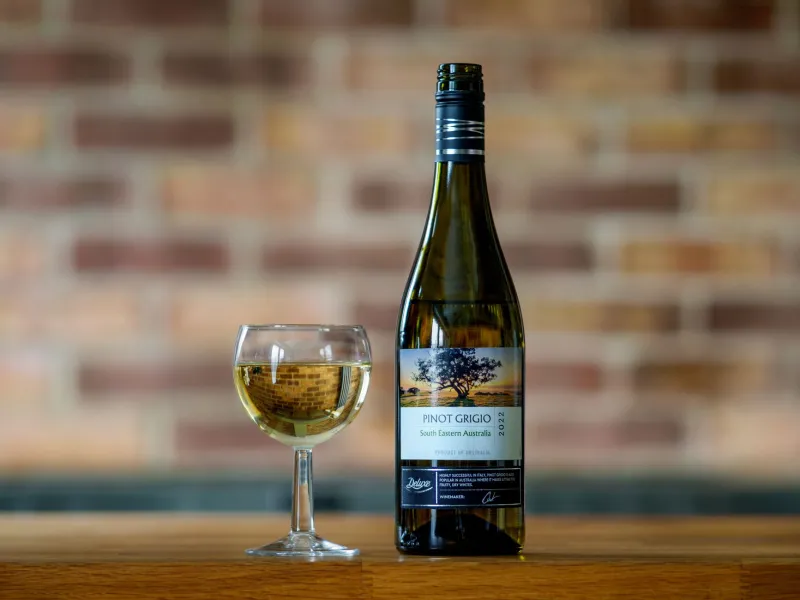
Second, the vintage tells you something about the wine's age and, by extension, its likely trajectory. A Bordeaux from 2015 is drinking beautifully now but may have years of evolution ahead of it. A Pinot Grigio from the same year is almost certainly past its window. Understanding general aging curves by grape variety and region allows you to use the vintage as a practical guide rather than a decorative number.
Non-vintage wines—labeled NV—are blends of multiple years, a common practice in Champagne and other sparkling wine categories. This is not a mark of inferiority; it is a deliberate technique for achieving consistency.
Alcohol Content: A Proxy for Style
The ABV figure, required by law, is one of the most underutilized pieces of intelligence on any label. Alcohol levels in wine typically range from around 8 percent to 16 percent, and that range maps fairly directly onto stylistic differences that affect how a wine tastes and pairs with food.
Wines below 12 percent ABV tend to be lighter in body, often higher in acidity, and frequently off-dry or sweet. German Rieslings and Vinho Verde from Portugal often fall here. Wines above 14.5 percent are typically fuller-bodied, riper in fruit character, and lower in perceived acidity—think Zinfandels from Lodi or Shiraz from Barossa Valley. The middle range, roughly 12.5 to 14 percent, encompasses a wide stylistic territory that includes most Burgundy, many Napa Cabernets, and the majority of Italian reds.
If you know you prefer lighter, food-friendly wines, the ABV figure gives you a fast filter before you ever read a tasting note.
Producer Reputation Markers: Separating Signal from Noise
This is where label literacy gets genuinely tricky, because the visual weight of a producer's presentation often has little correlation with the quality of what is inside the bottle.
Some terms carry legal meaning. "Reserve" in the United States is largely unregulated—any producer can use it without meeting a defined standard. In Spain and Italy, however, "Reserva" and "Riserva" are legally defined aging categories with specific requirements. Knowing which country's rules apply to the bottle in your hand changes how much weight you should give those words.
Other terms worth understanding include "Estate Bottled," which in the US means the winery grew the grapes and made and bottled the wine at the same location—a meaningful signal of control over the process. "Old Vines" remains unregulated domestically but generally suggests lower-yielding, more concentrated fruit from older plantings. "Unfiltered" and "unfined" are winemaking disclosures that speak to minimal intervention, relevant if you have preferences around wine style.
Certifications such as USDA Organic, Certified Biodynamic, or Certified Sustainable are verifiable claims backed by third-party auditing. They reflect agricultural and production practices, not necessarily quality, but they provide transparency for buyers who prioritize those values.
What to Ignore
The label's visual design—the typeface, the illustration, the color of the foil capsule—tells you almost nothing about what is in the bottle. Expensive-looking labels are inexpensive to produce. A humble, text-heavy label on a plain background may belong to one of the finest producers in its region.
Backlabel copy describing "notes of cassis and toasted oak with a lingering finish" is written by the producer's marketing department, not by an independent evaluator. It is aspirational language, not a guarantee.
Awards and medals vary enormously in the rigor of the competition that granted them. A gold medal from a well-regarded competition carries weight; a ribbon from a regional fair with minimal entry standards carries considerably less.
Building the Habit
Decoding a wine label well takes less time than most people assume. Once you know what to look for—appellation specificity, vintage year, ABV, and the handful of legally meaningful terms—you can extract the useful information from any bottle in under a minute. The rest is background noise, and recognizing it as such is its own form of expertise.
At Bebo Vino, every wine in our curated selection includes transparent producer notes and independently sourced tasting context precisely because we believe informed buyers make better choices—and enjoy what they drink more fully. The label is the beginning of the conversation. Knowing how to read it means you can enter that conversation on your own terms.