How to Run a Blind Wine Tasting at Home (No Expertise Required)
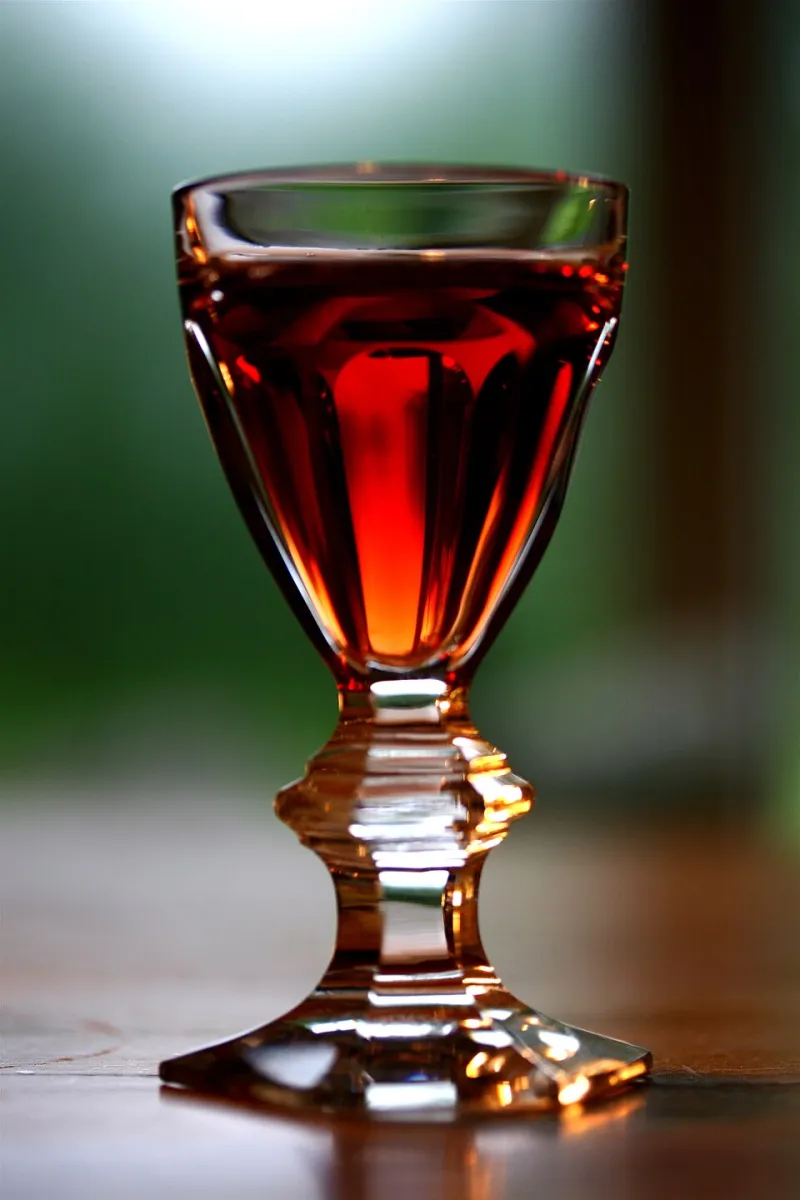
Photo: liz west from Boxborough, MA, CC BY 2.0, via Wikimedia Commons
There is a persistent myth that blind wine tasting belongs exclusively to certified sommeliers, competitive judges, and people who use words like "petrichor" without self-consciousness. The reality is considerably more accessible — and considerably more interesting.
Blind tasting, at its core, is simply the act of evaluating a wine without knowing what it is. No label. No price. No reputation to color your perception. What you're left with is the wine itself, and your honest reaction to it. That's not an elitist exercise. That's just paying attention.
Here's how to do it well, even if you've never formally tasted wine in your life.
Why Blind Tasting Changes How You Learn
Most of us have absorbed a set of assumptions about wine that we didn't consciously choose. A higher price suggests higher quality. A recognizable label implies reliability. A wine recommended by someone authoritative must be worth drinking.
These shortcuts aren't irrational — they're efficient. But they also prevent you from developing your own palate, because your brain is doing the evaluating before your tongue gets a chance.
Research on sensory perception consistently demonstrates that external cues — including price information and label design — measurably alter how people experience taste. In one frequently cited study, participants rated the same wine significantly higher when told it was expensive. Blind tasting removes those cues and returns the evaluation to your actual sensory experience.
The practical result: you start discovering what you genuinely enjoy, rather than what you've been told you should enjoy.
Setting Up Your Tasting: What You'll Need
The logistics are straightforward. Here's what to gather before your guests arrive:
Bottles. Three to six wines is an ideal range for a home session. Fewer than three limits comparison; more than six leads to palate fatigue and note-taking chaos. Choose wines within a theme — same grape variety from different regions, same region at different price points, or a lineup of unfamiliar varieties you've been curious about.
Brown bags or foil. The simplest concealment method. Wrap each bottle, secure with a rubber band, and label the bags with a number or letter. Keep the key — which bag corresponds to which bottle — written down and set aside until after tasting.
Glasses. Ideally, each participant has a separate glass for each wine. If that's not feasible, a single glass per person works fine with a rinse between pours. Avoid heavily scented dish soap.
Water and neutral palate cleansers. Plain crackers or a small piece of plain bread between wines helps reset your palate. Water should be still, not sparkling.
Tasting sheets. More on this below.
A pour size of about two ounces per wine per person. This keeps everyone functional through the full lineup.
The Tasting Sheet: Your Structured Guide to Paying Attention
A simple tasting sheet transforms a casual pour into a genuine learning exercise. You don't need a formal template — a piece of paper with the following prompts works perfectly:
- Appearance: What color is it? Is it pale, medium, or deep? Clear or hazy?
- Aroma: What do you smell before you taste? Fruit? Earth? Oak? Flowers? Don't reach for technical vocabulary — describe it in whatever terms feel natural to you.
- On the palate: What do you taste first? How does it feel — light, heavy, smooth, grippy? Does the taste change from the first sip to the finish?
- Finish: How long does the flavor linger after you swallow? A few seconds? Longer?
- Overall impression: Did you enjoy it? Would you drink a full glass? A full bottle? Would you seek it out again?
- Your guess (optional): If you want to try identifying the grape, region, or approximate price, write it down. Being wrong is instructive. Being right is satisfying. Either way, you learn something.
After everyone has completed their sheets for all wines, reveal the bottles in order. Compare notes, discuss surprises, and pay particular attention to any wines that polarized the group — those disagreements often reveal the most about individual palate preferences.
Choosing a Theme That Works
A focused theme produces a more useful tasting than a random assortment. A few formats that work well for home groups:
Price bracket comparison. Select three wines of the same variety — one budget-friendly, one mid-range, one premium — and see whether the group can rank them by price. This format reliably generates lively conversation and occasionally humbling results.
Same grape, different places. Chardonnay from California, Burgundy, and Australia, for example, will taste remarkably different despite sharing a variety. This approach builds an intuitive understanding of how terroir and winemaking style shape a wine's character.
Unfamiliar territory. Choose a flight of grapes or regions your group has never tried. Albariño, Grüner Veltliner, Txakoli, and Vermentino, for instance. With no preconceptions, everyone evaluates purely on experience — which is exactly the point.
A Note on Sourcing Your Bottles
For a tasting with a coherent theme, having reliable access to specific bottles matters. Direct-to-consumer wine platforms make it considerably easier to build a focused lineup, particularly for less common varieties or regional selections that may not be readily available at a local shop. Tasting notes and producer information provided at the point of purchase also give you useful context to share with your group after the reveal.
The Only Rule That Actually Matters
Blind tasting at home has no dress code, no required vocabulary, and no correct answers. The only rule worth enforcing is this: write down your impressions before you hear anyone else's. Group dynamics have a way of collapsing individual perception into consensus, which defeats the purpose.
Your palate is your own. The point of a blind tasting is to start trusting it.